Choosing the right natural stone can completely change the look, feel, and durability of any architectural or landscaping project. But with so many types available—like limestone, andesite, marble, granite, travertine, and basalt—it’s easy to get stuck. The good news is that picking the right one becomes much simpler once you know what matters most.
1. Start With Your Project Goals
Every stone has its own personality, so the first step is understanding what you actually want. Are you aiming for a modern, minimal look or something more rustic and natural? Your design direction will instantly narrow down your options.
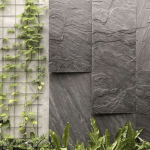
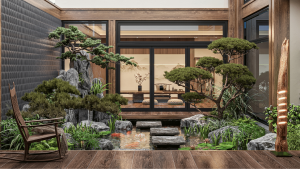
For example, sleek buildings often use granite or basalt, while tropical-style villas lean towards andesite or limestone. Once your visual goal is set, the rest becomes easier.
2. Consider the Location and Climate
Not all stones behave the same outdoors. Heat, rain, humidity, or freezing temperatures affect each type differently. This is why choosing based on performance is just as important as choosing based on looks.
For outdoor landscapes in tropical climates, andesite and basalt are great because they handle moisture well. In hotter or dry regions, travertine and limestone stay cool underfoot and feel comfortable for pathways or pool decks.
3. Think About Durability and Maintenance
Some stones require almost zero maintenance, while others need a bit of care. Granite and basalt are extremely strong, making them ideal for high-traffic areas. They resist scratches, stains, and constant use.
On the other hand, limestone and marble offer beautiful aesthetics but need sealing to protect their surfaces. If the client wants something amazing but low-effort, mid-hardness stones like andesite are a solid choice.
4. Match the Stone to Its Function
Different areas require different stone characteristics. Flooring, wall cladding, pool decks, interior panels, and outdoor walkways each have unique demands.
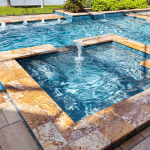
For pool decks, choose stones with natural anti-slip textures like andesite, sandstone, or honed limestone. For interior walls, aesthetics matter more, so marble or textured limestone works perfectly. For driveways, go for high-density stones like granite or basalt that can handle weight and friction.
5. Understand Color, Pattern, and Texture
Natural stone is valued because no two pieces are the same. The color, veins, and textures give personality to spaces. When choosing stone, think about how these visual characteristics fit your overall design.
If the goal is a clean and consistent look, stones like blue limestone or light-gray andesite give a uniform finish. If you want bold visuals, marble with dramatic veins or colorful sandstone fits the job. Always request samples so you can compare them directly with the design theme.
6. Factor in Budget and Long-Term Value
Budget plays a major role, but remember that natural stone is a long-term investment. A slightly higher upfront cost can result in decades of durability and lower maintenance.
Harder stones like granite and basalt can be more expensive to install due to cutting and finishing. Softer stones like limestone are easier to shape, which lowers labor cost. The key is balancing budget with long-term value.
7. Check the Origin and Supplier Quality
Not all natural stones are equal, even if they have the same name. Country of origin affects density, porosity, and lifespan. Indonesia, for example, is known for its high-quality andesite, lava stone, and limestone.
Working with a reliable exporter ensures the stone is well-processed, graded correctly, and meets international standards. A good supplier will provide documentation, test results, and consistent quality across batches.
8. Prioritize Sustainability
Sustainable sourcing matters more today than ever. Eco-friendly quarrying practices reduce environmental impact and support responsible mining. Many architects now choose stone suppliers who prioritize ethical extraction and waste reduction.
Natural stone itself is already sustainable because it lasts a long time and doesn’t require chemical processing. Choosing a responsible supplier takes it a step further.
9. Always Request Samples and Mockups
Seeing stone in photos is never enough. Lighting, texture, and finish can look different in real life. Samples help you confirm whether the color tone and surface feel match your expectation.
For larger projects, request a mockup panel. This lets you preview how the stone looks when installed, including joint patterns and finishing.
10. Think About Long-Term Aesthetic Consistency
Stone ages beautifully, but different stones age differently. Some darken, some lighten, and some develop richer tones over time. Make sure the stone you choose aligns with how you want the space to look not only today but also years from now.
For low-change stones, basalt and granite stay consistent. For stones that develop more character, limestone and sandstone can be appealing.
Choosing the right natural stone for architecture and landscaping isn’t just about picking something visually attractive. It’s about matching durability, performance, climate compatibility, and long-term value with your project needs. With a bit of guidance—plus samples, expert supplier support, and clear design goals—you’ll always end up with the perfect stone.
If you want, I can also help create additional articles, a full content plan, or a landing-page copy for your natural stone client.